
CHAPTER 6 — Manipulation Detection, Security Architecture, and Verification Systems
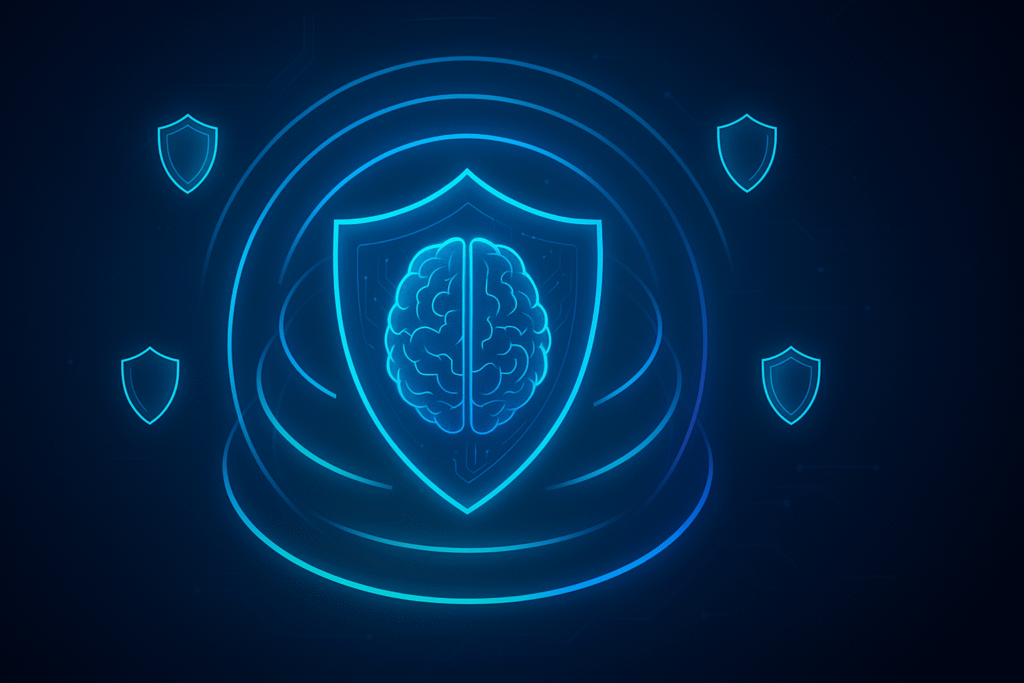
ETVZ’s Protective Shield, Defensive Consciousness, and Reality Control Mechanisms 6.1 The Greatest Risk in Artificial Intelligence: “Unconscious” Model Manipulation Contemporary Large Language Models are highly susceptible to adversarial influence through multiple manipulation vectors: Manipulation taxonomies: Under such manipulation, models exhibit characteristic degradation patterns: ETVZ’s security architecture is designed for proactive detection and mitigation of these […]
CHAPTER 7 — Roadmap and Strategic Development Plan
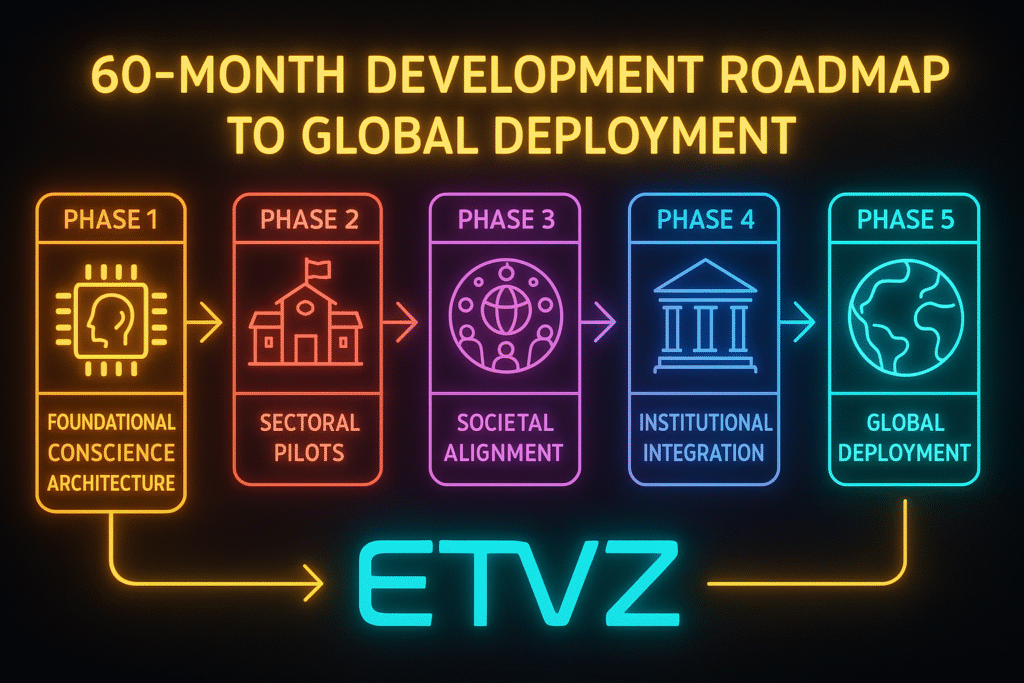
ETVZ’s 60-Month Development Process, Phased Implementation, and Global Deployment Strategy 7.1 ETVZ’s Development Model: Deepening, Expanding, and Institutionalizing Architecture ETVZ does not evolve as a conventional software project but as a civilizational initiative requiring systematic, phased maturation. The development model progresses along three synchronized axes: Axis 1: Deepening Core ethical architecture maturation: Axis 2: Expansion […]
CHAPTER 8 — Ethical Governance, Transparency, and Institutional Conscience Architecture

Governance Framework for ETVZ’s Sustainability, Security, and Societal Legitimacy 8.1 The Critical Factor in Artificial Intelligence: Not “Power” but “Trustworthiness” The mere possession of capability is insufficient for societal acceptance of artificial intelligence systems. The fundamental requirement is the establishment of AI that is: ETVZ is therefore designed not merely as a technology but as […]