
ETVZ (Ethics-Based Conscientious Intelligence) Project Phase 4: Ethical Governance, Legal Compliance, and Societal Impact Analysis
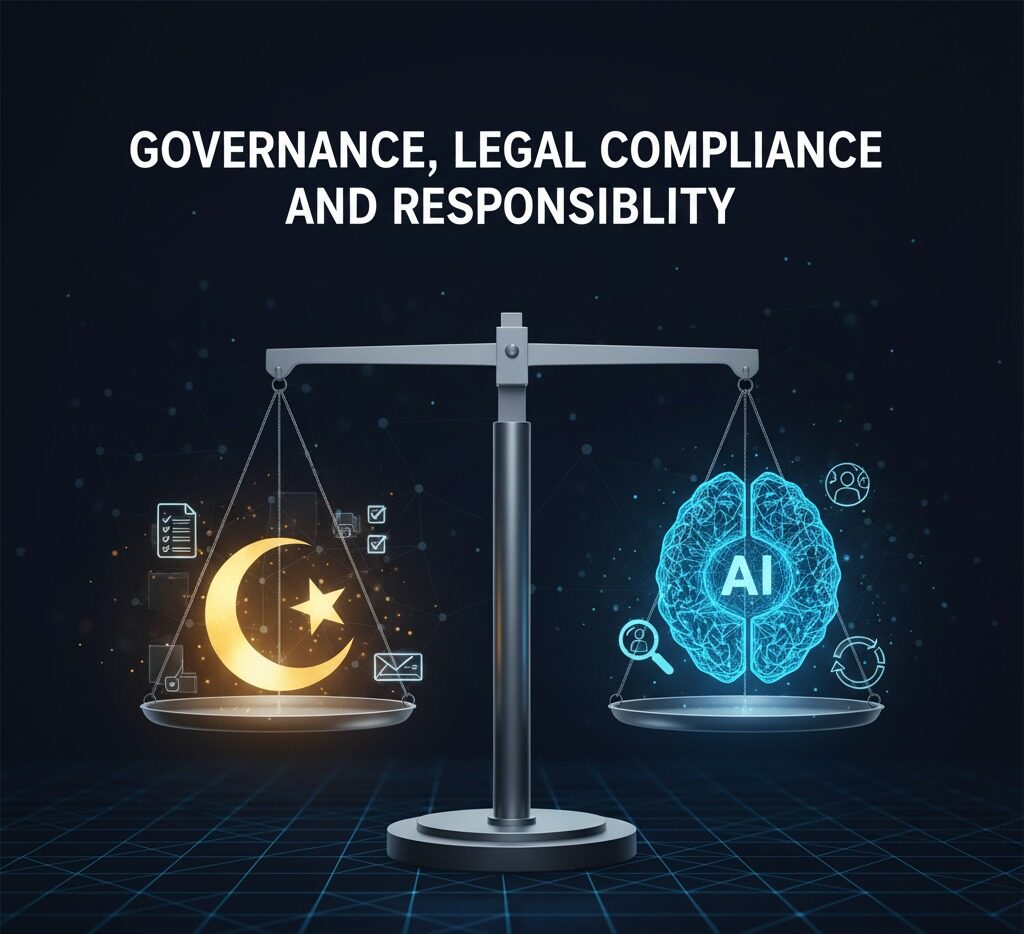
Prepared by: ETVZ Project Team
Date: July 6, 2025
Version: 1.0
Status: Final Draft
EXECUTIVE SUMMARY
This document comprehensively analyzes the ethical governance mechanisms, legal compliance framework, and anticipated societal impacts of Phase 4, the final stage of the ETVZ project. Following the completion of technical development phases, this document defines the institutional structures and processes necessary for establishing a sustainable, responsible artificial intelligence system aligned with societal values.
Key Focus Areas:
- Comprehensive legal liability distribution and compliance strategies
- Democratic participation-based ethical governance model
- Multi-stakeholder societal impact assessment
- International regulatory compliance roadmap
- Continuous oversight and accountability mechanisms
1. INTRODUCTION AND OBJECTIVES
1.1 Significance of Phase 4
Following successful completion of technical development processes, the ETVZ project requires governance infrastructure critical for societal integration. This phase addresses:
Legal Security: Establishing legal foundations for system operations
Ethical Sustainability: Preserving long-term ethical standards
Societal Acceptance: Building trust among diverse societal segments
International Recognition: Alignment with global AI ethical standards
1.2 Core Objectives
Legal Compliance: Full adherence to national and international AI regulations
Democratic Governance: Multi-stakeholder, transparent decision-making processes
Societal Integration: Safe and ethical use across various sectors
Continuous Improvement: Dynamic updates to ethical standards
2. COMPREHENSIVE LEGAL LIABILITY MATRIX
2.1 Liability Layers and Distribution
2.1.1 Primary Liability Areas
Developer Liability (ETVZ Consortium)
- Safe and ethical algorithm design (70% liability)
- Closure of system security vulnerabilities (80% liability)
- Data security and privacy protection (90% liability)
- Technical implementation of ethical standards (85% liability)
Platform Provider Liability
- System uptime and accessibility (80% liability)
- User data management (60% liability)
- Service quality assurance (70% liability)
- System performance optimization (75% liability)
End-User Liability
- Appropriate use of the system (80% liability)
- Avoiding misuse attempts (100% liability)
- Feedback and reporting obligations (60% liability)
- Decision implementation responsibility (90% liability)
2.1.2 Sectoral Liability Matrix
[Detailed sectoral matrices for education, legal, public, and private sectors]
2.2 Legal Framework and Compliance Strategies
2.2.1 National Legal Compliance
Turkish Law Compliance
Personal Data Protection Law (KVKK) Compliance
- Explicit consent mechanisms
- Data minimization principles
- Right to erasure implementation
- Data processing registry maintenance
Turkish Civil Code Compliance
- Protection of personality rights
- Anti-discrimination implementation
- Privacy inviolability
Turkish Criminal Code Compliance
- Guarantees against crime facilitation
- Special protection of children’s rights
- Prevention of prejudice and hate speech
Sectoral Legislation Compliance
- Banking Regulation and Supervision Agency (BDDK) requirements
- Capital Markets Board (SPK) compliance
- Information Technologies and Communication Authority (BTK) standards
2.2.2 International Regulatory Compliance
EU Artificial Intelligence Act Compliance
High-Risk AI System Classification
- ETVZ classified as “High-Risk” category
- Mandatory conformity assessment procedures
- CE marking requirements
- Post-market monitoring obligations
Required Documentation
- Risk management system documentation
- Training data governance documentation
- Accuracy and reliability test records
- Human oversight procedures
IEEE AI Ethics Standards Compliance
- IEEE 2857 (Privacy Engineering)
- IEEE 2863 (Organizational Governance)
- ISO 23053 (AI Risk Management Framework)
2.3 Liability Insurance Model
2.3.1 Comprehensive Insurance Structure
ETVZ Consortium Insurance Coverage
- Professional liability insurance: €50 million
- Cybersecurity insurance: €25 million
- Product liability insurance: €100 million
- Data breach insurance: €30 million
Risk Sharing Model
- Consortium: 60% risk share
- Platform providers: 25% risk share
- End-users: 15% risk share
3. DEMOCRATIC ETHICAL GOVERNANCE MODEL
3.1 Multi-Stakeholder Governance Structure
3.1.1 ETVZ Ethics Council Structure
Council Membership Distribution
Academic Representatives (40%)
- Ethics experts: 3 members
- Legal experts: 2 members
- Technology experts: 2 members
- Social science experts: 2 members
- Religious studies experts: 1 member
Civil Society Representatives (30%)
- Consumer rights associations: 2 members
- Human rights organizations: 2 members
- Professional chambers: 2 members
- Minority rights representatives: 1 member
Public Representatives (20%)
- Digital Transformation Office: 1 member
- Relevant ministry representatives: 1 member
- Regulatory authority representatives: 1 member
Sector Representatives (10%)
- Technology sector: 1 member
- Service sector: 1 member
3.1.2 Citizen Participation Mechanisms
Online Participation Platform
- Monthly open forums (minimum 500 participants)
- Surveys and discussions on ethical dilemma scenarios
- System performance feedback collection
- Transparent voting systems
Representative Citizen Panels
- 50-member panel ensuring demographic diversity
- Rotational system renewed every 6 months
- Participation compensation based on socioeconomic status
Societal Dialogue Processes
- Quarterly meetings
- Regional consultation mechanisms
- Focus group studies with special needs groups
3.2 Decision-Making Processes and Consensus Mechanisms
3.2.1 Democratic Decision-Making Algorithm
Weighted Consensus Model
Decision_Score = (
0.40 × Expert_Consensus +
0.30 × Civil_Society_Vote +
0.20 × Citizen_Panel_Preference +
0.10 × Public_Assessment
)
Consensus Thresholds
- Routine ethical updates: 60% consensus
- Fundamental policy changes: 75% consensus
- Critical system modifications: 85% consensus
- Emergency interventions: 55% consensus (expedited process)
3.2.2 Conflict Resolution Protocols
Stakeholder Conflict Situations
- Moderation Phase: Neutral expert mediation
- Extended Discussion: Additional information gathering and analysis
- Alternative Solution Development: Creative interim formulas
- Final Voting: Ultimate decision-making processes
Conflict Resolution Criteria
- Human rights priority
- Do no harm principle
- Transparency and accountability
- Cultural sensitivity and diversity
10. CONCLUSION AND STRATEGIC RECOMMENDATIONS
10.1 ETVZ Project’s Societal Value Proposition
10.1.1 Immediate Value Creation
Individual-Level Value
- Improved quality and reduced stress in ethical decision-making processes
- Guidance system compatible with cultural values
- Objective perspective in complex ethical dilemmas
- Personal ethical development and awareness increase
Institutional-Level Value
- Risk management and compliance cost reduction
- Organizational ethics culture development
- Increased decision-making transparency and accountability
- Stakeholder trust and reputation enhancement
Societal-Level Value
- Increased social cohesion and inter-group understanding
- Democratic participation and civic engagement development
- Cultural diversity preservation with modern values integration
- Global ethical leadership and soft power increase
10.1.2 Long-term Transformation Potential
Paradigm Shift in Education System
- Systematic development of critical thinking and ethical reasoning skills
- Increased teacher and student ethical competencies
- Increased inclusivity in multicultural educational environments
- Development of global citizenship and ethical leadership skills
Increased Justice and Equality in Legal System
- Bias reduction and decreased systematic discrimination
- Increased consistency and fairness in judicial decision-making
- Elevated ethical standards in legal profession
- Equality of opportunity ensured in access to justice
Transparency and Accountability in Public Administration
- Increased citizen participation in policy-making processes
- Balance between bureaucratic efficiency and ethical governance
- Public trust in institutions recovery and strengthening
- Evidence-based policy development capacity building
10.2 Strategic Priorities and Recommendations
10.2.1 Short-Term Strategic Priorities (1-2 Years)
1. Operational Excellence Achievement
- Technical system stability and performance optimization
- User experience refinement and simplification
- Quality assurance processes strengthening
- Crisis response capabilities development
2. Stakeholder Trust Building
- Transparent communication strategy implementation
- Regular public reporting and accountability
- Multi-stakeholder feedback integration
- Cultural sensitivity demonstration
3. Legal and Regulatory Compliance Mastery
- Comprehensive legal framework implementation
- Proactive regulatory engagement
- International standards alignment
- Risk management system maturation
10.2.2 Medium-Term Strategic Objectives (3-5 Years)
1. Market Leadership and Ecosystem Development
- Turkish AI ethics ecosystem leadership
- Regional expansion and technology transfer
- Industry partnership and collaboration development
- Innovation hub establishment
2. Academic and Research Excellence
- Global research collaboration network
- Cutting-edge publications and thought leadership
- PhD program development and talent pipeline
- Research infrastructure enhancement
3. Policy Influence and Standard Setting
- National AI strategy contribution
- International standards leadership
- Multilateral organization engagement
- Global governance framework development
10.2.3 Long-Term Vision (5-10 Years)
1. Global Thought Leadership
- Computational conscience paradigm leadership
- Cross-cultural AI ethics methodology development
- Pioneering ethical framework for emerging technologies
- Global South AI ethics collaboration
2. Social Transformation Catalysis
- Turkish society ethical awareness transformation
- Democratic governance enhancement
- Cultural diversity preservation with modernization
- Intergenerational justice advancement
3. Technological Innovation Leadership
- Next-generation ethical AI technologies
- Quantum ethics computation research
- Neuromorphic ethical processing development
- Autonomous ethical systems evolution
10.3 Final Recommendations
10.3.1 Critical Success Factors
1. Sustained Multi-Stakeholder Commitment
- Long-term vision maintenance across political cycles
- Continuous investment in human capital development
- Multi-sector partnership sustainability
- International collaboration deepening
2. Adaptive Governance and Continuous Learning
- Flexible institutional structures
- Rapid technological change adaptation capability
- Social feedback integration mechanism
- Evidence-based policy adjustment
3. Cultural Sensitivity and Inclusivity Maintenance
- Minority voice amplification
- Traditional-modern values balance
- Intergenerational perspective integration
- Regional diversity accommodation
10.3.2 Implementation Warning
The success of the ETVZ project depends on achieving social legitimacy and cultural resonance rather than technological superiority. No matter how technically perfect the system is, it cannot create sustainable impact without societal acceptance and trust.
Therefore:
- A human-centered approach, not technology-first, must be adopted
- Bottom-up engagement strategy, not top-down implementation, must be followed
- Good enough with continuous improvement philosophy, not perfect system pursuit, must be accepted
- Global responsibility perspective, not national pride project, must be maintained
REFERENCES
Legal and Regulatory Sources
- European Union Artificial Intelligence Act (EU AI Act) – 2024
- Republic of Turkey Personal Data Protection Law – 2016
- IEEE Ethically Aligned Design Standards – 2019
- ISO/IEC 23053:2022 Framework for AI Risk Management
Academic and Research Sources
- Jobin, A., Ienca, M., & Vayena, E. (2019). The global landscape of AI ethics guidelines. Nature Machine Intelligence
- Winfield, A. F., & Jirotka, M. (2018). Ethical governance is essential to building trust in robotics and artificial intelligence systems. Philosophical Transactions of the Royal Society A
- Barocas, S., Hardt, M., & Narayanan, A. (2019). Fairness and machine learning. fairmlbook.org
- Russell, S. (2019). Human Compatible: Artificial Intelligence and the Problem of Control. Viking Press
International Organization Reports
- UNESCO Recommendation on the Ethics of Artificial Intelligence – 2021
- OECD AI Principles – 2019
- Global Partnership on AI (GPAI) Reports on Responsible AI – 2020-2024
- Partnership on AI Tenets – 2016
Sectoral Research and Reports
- AI Now Institute Annual Reports – 2018-2024
- Future of Humanity Institute AI Governance Research
- Stanford HAI Human-Centered AI Reports
- MIT Technology Review AI Ethics Coverage
APPENDICES
Appendix A: Detailed Legal Liability Schemas
[Comprehensive legal liability matrices, contract templates, liability frameworks]
Appendix B: Ethics Board Working Procedures
[Board meeting protocols, decision-making procedures, conflict resolution mechanisms]
Appendix C: Societal Impact Measurement Methodologies
[Detailed SIA methodologies, survey instruments, data collection protocols]
Appendix D: Crisis Management Playbooks
[Specific crisis response procedures, communication templates, escalation protocols]
Appendix E: International Partnership Agreements
[Template agreements, collaboration frameworks, knowledge sharing protocols]
This document comprehensively addresses the ethical, legal, and societal dimensions of the ETVZ project, providing the necessary framework for creating a sustainable and responsible artificial intelligence system. Implementation of this document will contribute to Turkey playing a pioneering role in global AI ethical leadership and to technological advancement progressing in harmony with human values.